Jimmy Heath, also known as “Little Bird,” was a legendary jazz saxophonist who appeared with the Cleveland Jazz Orchestra at Playhouse Square in April 2012. Short in stature but long on talent, he was known as a “triple threat” for being a jazz composer, arranger, and musician.
Heath was born in Philadelphia, Pennsylvania, on October 25, 1926. Both of his parents had musical backgrounds. His father played clarinet in a marching band and his mother sang in the church choir. Jimmy’s older brother studied violin and later became a founding member and double bass player for the Modern Jazz Quartet. His younger brother Albert (Tootie) played drums. Jimmy Heath began playing alto saxophone at age fifteen. He and Percy attended high school in Wilmington, North Carolina, where Jimmy played saxophone in the marching band. Heath founded his first big band, the Jimmy Heath Orchestra, in 1946. After the band broke up in 1948, Jimmy and John Coltrane joined Dizzy Gillespie’s band. Jimmy also played with Gil Fuller’s Orchestra. Around that time, he switched to tenor sax. He was influenced by Charlie Parker and Johnny Hodges. Unfortunately, Jimmy became addicted to heroin, which ultimately led to his dismissal from Gillespie’s orchestra. He was later convicted of selling heroin and sent to Lexington, Kentucky, where he underwent withdrawal. After his release, he was convicted again in 1955 for dealing drugs and sentenced to six years in prison. While incarcerated, he composed a number of songs and conducted the prison orchestra. He also learned to play the flute.
Heath was released from prison early and met his future wife Mona Brown shortly afterward. He recorded his first album for Riverside Records in 1959. He briefly toured with Miles Davis, but the terms of his probation made it difficult for him to travel with the band. Riverside Records went out of business in 1964, leaving Jimmy without a record contract until the early 1970s. He began teaching at Jazzmobile, a free music training program in Harlem, where he was commissioned to write several major compositions.
In 1975, Jimmy, Percy, and Albert Heath formed the Heath Brothers, along with Stanley Cowell on piano. Later, Jimmy’s older son James Mtume joined the group as a percussionist. Percy Heath died in 2005, but Jimmy and Albert continued to perform and record as the Heath Brothers with other musicians.
Jimmy Heath joined the music faculty of Queens College at the City University of New York, where he taught for over 20 years.
Jimmy Heath wrote over 100 compositions and appeared on 125 recordings during his career, which spanned over 7 decades. He was nominated for a Grammy Award three times and received the NEA Jazz Masters Award in 2003. One of his noteworthy compositions, “Gemini”, was written for his daughter Rosyln and appears on his 1962 album, “Triple Threat. “ The instrumental has a ¾ time signature and features a haunting flute solo as the piece begins. “Gemini” became a hit for the Cannonball Adderley Sextet, whose live version was released in 1962. Other notable songs include ”Gingerbread Boy” and “C.T.A.”
In January 2020, the scrolling marquee at Playhouse Square announced the sad news that Jimmy Heath had died at age 93. I recalled how thrilled I was when he signed his CD “Turn Up the Heath” for me after the show in 2012.
Saxophonist Wayne Escoffery was one of Jimmy Heath’s former students at the Thelonius Monk Institute of Jazz Performance at the New England Conservatory. He appears on the recent Night Is Alive releases, “Old New Borrowed and Blue” and “My Ship.”
Ryuichi Sakamoto was a Japanese composer and musician who has been a driving force in the world of music for over four decades. He has created some of the most memorable and iconic pieces of music in recent history, and his work has influenced countless artists and musicians around the world.
One of Sakamoto’s most well-known compositions is “Merry Christmas, Mr. Lawrence,” a hauntingly beautiful track that was originally featured in the 1983 film of the same name. The piece is instantly recognizable for its haunting melody and stirring emotional content, and it has become a classic in its own right.
Over the years, many musicians and artists have covered “Merry Christmas, Mr. Lawrence,” but one of the most notable covers is by jazz pianist Bill Cunliffe. Cunliffe’s version of the track is a stunning tribute to Sakamoto’s original, capturing the haunting beauty and emotional power of the piece while also showcasing Cunliffe’s own impressive musicianship.
Cunliffe’s cover of “Merry Christmas, Mr. Lawrence” is a testament to the enduring power of Sakamoto’s music. Despite being over 30 years old, the piece still resonates with audiences today, and it continues to inspire artists and musicians around the world.
Sakamoto’s work extends far beyond “Merry Christmas, Mr. Lawrence,” however. He has composed scores for countless films and television shows, including “The Last Emperor,” “The Revenant,” and “Black Mirror.” He has also released numerous albums and collaborated with a wide range of artists, including David Byrne, Iggy Pop, and Alva Noto.
Throughout his career, Sakamoto has pushed the boundaries of what is possible with music, blending different styles and genres to create something truly unique and groundbreaking. He has also been a vocal advocate for environmentalism and political activism, using his platform to raise awareness about important issues and to inspire change.
In short, Ryuichi Sakamoto is a true icon of the music world, and his contributions to the art form are immeasurable. His work continues to inspire and move audiences around the world, and his legacy will undoubtedly live on for generations to come.
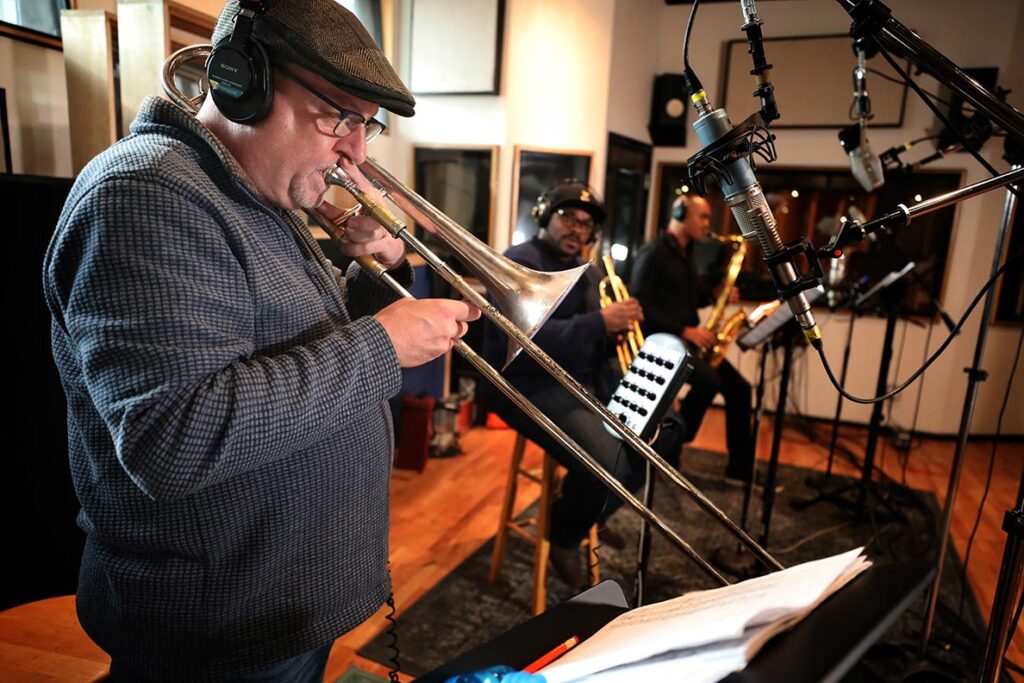
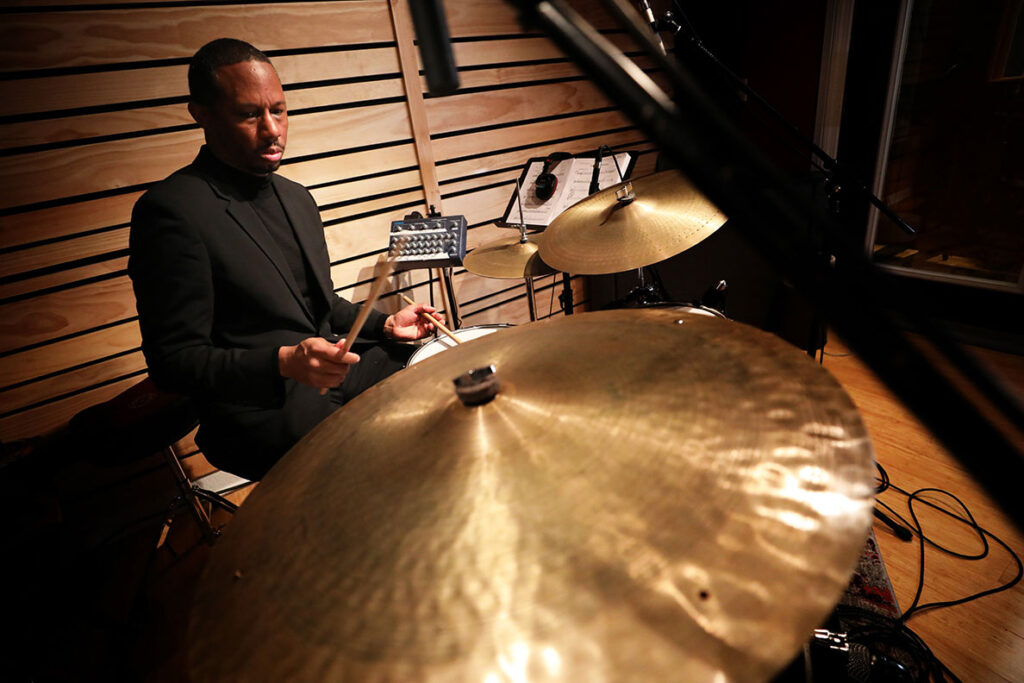
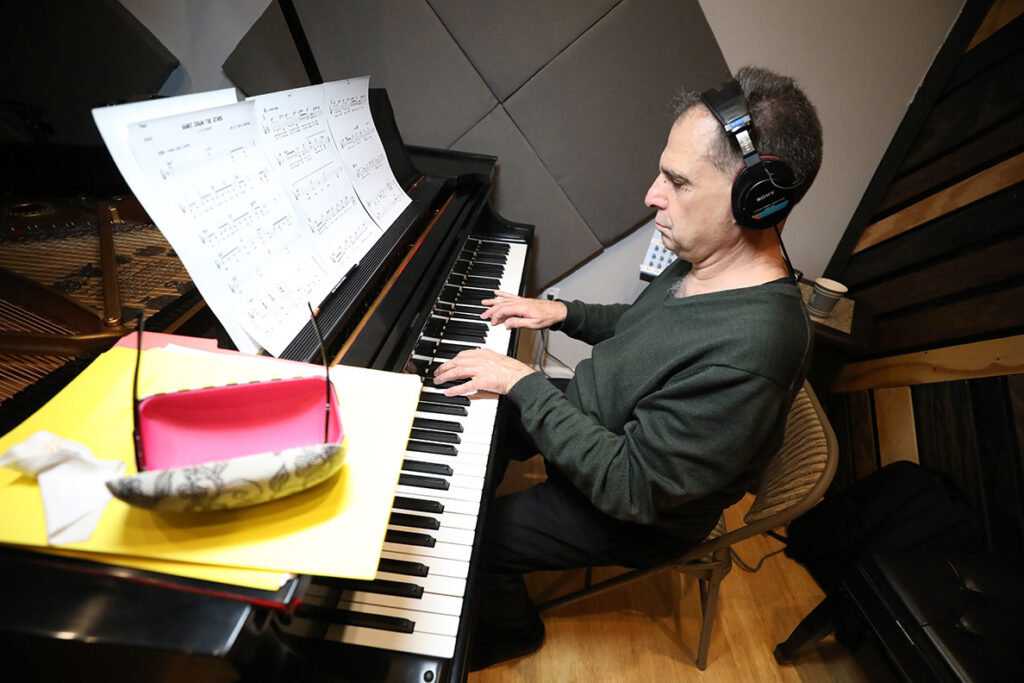
As a jazz musician, you know that the quality of your recordings can make or break your career. Whether you’re looking to create a demo to send to record labels or release an album independently, you need a recording that captures the essence of your sound and connects with listeners. That’s why it’s essential to choose a professional studio for your jazz music recording. In this article, I’ll explain why recording quality matters for jazz music, the advantages of using a professional studio, and how to choose the right one for your needs.
Recording Quality Matters for Jazz Music
Jazz music is all about improvisation, spontaneity, and creativity. It’s a genre that requires technical skill, emotional depth, and musical intuition. As a jazz musician, you want your recordings to capture the energy and emotion of your live performances. That’s why recording quality matters for jazz music.
A high-quality recording can bring out the nuances of your performance, highlight the interplay between band members, and showcase the subtleties of your sound. It can transport listeners to the club or concert hall and make them feel like they’re experiencing your music in real-time. A low-quality recording, on the other hand, can make your music sound flat, lifeless, and uninteresting. It can also turn off potential fans and industry professionals who are looking for quality recordings to invest in.
Advantages of Using a Professional Studio for Jazz Music Recording
Recording in a professional studio has several advantages over recording at home or in a cheap studio. First, a professional studio has the equipment, acoustics, and expertise to capture your sound accurately. Professional studios have high-quality microphones, preamps, mixers, and monitors that can bring out the best in your instrument and voice. They also have well-designed rooms and acoustic treatments that can minimize unwanted noise, reverb, and distortion.
Second, a professional studio has experienced sound engineers who can help you achieve the sound you’re looking for. Sound engineers are trained to balance the levels, EQ, and dynamics of your tracks, and they can offer creative suggestions for enhancing your sound. They can also troubleshoot technical issues, such as clicks, pops, and hums, that can ruin a recording.
Third, a professional studio can save you time and money in the long run. While it may seem cheaper to record at home or in a cheap studio, the cost of fixing mistakes, re-recording tracks, and mastering your recording can add up quickly. A professional studio can help you get your recording right the first time, which can save you money on future edits and remixes.
How a Professional Studio Can Enhance the Sound of Your Jazz Music
A professional studio can enhance the sound of your jazz music in several ways. First, a professional studio can offer a controlled environment that allows you to focus on your performance without distractions. Unlike home or cheap studios, professional studios are designed to minimize outside noise and interruptions, which can help you achieve a better performance.
Second, a professional studio can offer a range of equipment and instruments that you may not have access to at home or in a cheap studio. For example, a professional studio may have a grand piano, a vintage guitar amp, or a rare drum set that can add a unique flavor to your recording. They may also have high-quality effects processors, such as reverbs, delays, and compressors, that can add depth and dimension to your sound.
Third, a professional studio can offer a range of services that can help you polish your recording to perfection. For example, they may offer editing, mixing, and mastering services that can help you fine-tune your tracks, adjust levels, and add effects. They may also offer session musicians, backup singers, and other professionals who can add their talents to your recording.
The Role of Equipment in Jazz Music Recording
Equipment plays a crucial role in jazz music recording. The right equipment can capture the nuances of your performance and enhance the sound of your instrument and voice. The wrong equipment can make your recording sound dull, flat, or distorted.
Microphones are one of the most critical pieces of equipment in jazz music recording. Different microphones have different characteristics that can affect the way your instrument or voice sounds. For example, a condenser microphone can capture the warmth and richness of a grand piano, while a dynamic microphone can handle the high sound pressure levels of a drum set.
Preamps are another critical piece of equipment in jazz music recording. Preamps amplify the signal from your microphone or instrument and add color and character to your sound. A high-quality preamp can add warmth, depth, and clarity to your recording, while a low-quality preamp can add noise, distortion, and coloration.
Mixers are also essential in jazz music recording. Mixers allow you to balance the levels of your tracks, add effects, and create a stereo image. A high-quality mixer can offer precision and flexibility in your mixing process, while a low-quality mixer can limit your options and compromise your sound.
The Importance of Sound Engineering for Jazz Music Recording
Sound engineering is a critical aspect of jazz music recording. Sound engineers are trained to capture, shape, and enhance the sound of your recording. They can offer technical expertise, creative suggestions, and troubleshooting skills that can make your recording sound its best.
Sound engineers can help you achieve the right balance between instruments and voice, adjust levels, EQ, and dynamics, and add effects and automation. They can also offer suggestions for improving your performance, such as adjusting your mic placement or changing your instrument.
The best sound engineers are also excellent communicators. They can listen to your ideas and feedback and translate them into technical adjustments that can enhance your sound. They can also offer their own creative ideas and suggestions that can take your recording to the next level.
How a Professional Studio Can Save Time and Money for Jazz Musicians
Recording in a professional studio can save time and money for jazz musicians in several ways. First, a professional studio can help you get your recording right the first time, which can save you time on future edits and remixes. A professional studio can also help you avoid technical issues, such as clicks, pops, and hums, that can cost you time and money to fix.
Second, a professional studio can offer a range of services that can save you time and money in the long run. For example, they may offer editing, mixing, and mastering services that can help you polish your recording to perfection. They may also offer session musicians, backup singers, and other professionals who can add their talents to your recording, which can save you time on arranging and rehearsing.
Third, a professional studio can help you avoid costly mistakes that can ruin your recording. For example, they can help you choose the right equipment and settings for your instrument and voice, which can prevent distortion, noise, or coloration. They can also help you avoid common mistakes, such as playing too loudly or too softly, that can compromise your sound.
Choosing the Right Professional Studio for Your Jazz Music Recording
Choosing the right professional studio for your jazz music recording requires some research and planning. Here are some factors to consider:
Location: Choose a professional studio that is convenient for you to travel to and from. Consider the transportation options, parking, and accessibility.
Reputation: Choose a professional studio with a good reputation for quality recordings, professional staff, and fair prices. Look for reviews, testimonials, and referrals from other jazz musicians.
Equipment: Choose a professional studio with high-quality equipment that can capture your sound accurately and enhance it creatively. Look for microphones, preamps, mixers, and monitors that are well-maintained and up-to-date.
Acoustics: Choose a professional studio with well-designed rooms and acoustic treatments that can minimize unwanted noise, reverb, and distortion. Look for studios that offer different room sizes and configurations to suit your needs.
Staff: Choose a professional studio with experienced and courteous staff who can help you achieve the sound you’re looking for. Look for sound engineers, producers, and other professionals who are knowledgeable, patient, and communicative.
Cost: Choose a professional studio that offers fair and transparent pricing for their services. Look for studios that offer packages, discounts, and flexible payment options that fit your budget.
Frequently Asked Questions About Jazz Music Recording in a Professional Studio
Here are some frequently asked questions about jazz music recording in a professional studio:
What is the difference between a cheap studio and a professional studio?
A cheap studio may offer lower prices but may compromise on equipment, acoustics, and expertise. A professional studio, on the other hand, may offer higher prices but can provide high-quality equipment, well-designed rooms, and experienced sound engineers.
How long does jazz music recording take in a professional studio?
The length of jazz music recording in a professional studio depends on several factors, such as the number of tracks, the complexity of the arrangements, and the skill of the musicians. On average, it can take several hours to several days to record a jazz album in a professional studio.
Can I bring my own instruments and equipment to a professional studio?
Yes, you can bring your own instruments and equipment to a professional studio. However, it’s important to check with the studio beforehand to ensure that your equipment is compatible with their setup and to avoid any technical issues.
Can I hire session musicians or backup singers from a professional studio?
Yes, many professional studios offer session musicians, backup singers, and other professionals who can add their talents to your recording. However, it’s important to discuss your needs and budget with the studio beforehand to ensure that you get the best value for your money.
Let’s Make Beautiful Music Together
Jazz music recording requires technical skill, emotional depth, and musical intuition. To capture the essence of your sound and connect with listeners, it’s essential to choose a professional studio for your recording. A professional studio can offer high-quality equipment, well-designed rooms, experienced sound engineers, and a range of services that can enhance your sound and save you time and money. By considering the factors mentioned above and doing your research, you can choose the right professional studio for your jazz music recording and take your career to the next level.
Dave Brubeck was a legendary jazz pianist and composer who helped to shape the course of jazz music in the 20th century. Born in Concord, California in 1920, Brubeck began playing piano at an early age and went on to study music at the College of the Pacific in Stockton, California.
Brubeck formed his first jazz ensemble, the Dave Brubeck Quartet, in 1951, and the group quickly gained popularity with their innovative approach to time signatures and their use of odd meters. They released their first album, “Jazz at College of the Pacific,” in 1952, and their follow-up album, “Jazz Goes to College,” became a hit in 1954.
In 1959, the Dave Brubeck Quartet released the album “Time Out,” which featured the hit single “Take Five.” The song, which was written by saxophonist Paul Desmond and featured a 5/4 time signature, became one of the best-selling jazz singles of all time and helped to make Brubeck a household name.
Brubeck continued to perform and record music throughout his career, releasing more than 50 albums as a leader and collaborating with a wide range of artists, including jazz greats like Louis Armstrong and Duke Ellington. He was a prolific composer, writing music for film, television, and stage, and he was also a dedicated educator, teaching at institutions such as the Juilliard School and the College of the Pacific.
In addition to his work as a musician, Brubeck was also a social activist and humanitarian. He used his music as a platform to address issues of social justice, and he worked with organizations such as the United Nations and Amnesty International to promote peace and human rights.
Dave Brubeck passed away in 2012 at the age of 91, but his music and legacy continue to inspire and influence jazz musicians and fans around the world. He is widely regarded as one of the greatest jazz pianists and composers of all time, and his contributions to the genre will be remembered for generations to come.
It’s that time of the year again. Whether snow is gently falling on your windowpanes or sunlight is streaming through, the holidays are fast approaching.
If you’re living in the southern hemisphere, it can sometimes be difficult to get yourself into the Christmas spirit. Most of the popular holiday songs and movies out there take place in colder climates—small towns nestled in snow-covered mountaintops, people dressed in hats and mittens, chestnuts roasting on an open fire. So, if your holidays usually consist of beachside barbeques, swimsuits, and sunglasses, you might be feeling a tad left out.
But don’t worry. We know just what’ll do the trick to get you in the spirit . . . baking Christmas cookies! There’s nothing else that can make you feel more like one of Santa’s elves. And some lively holiday tunes will also be sure to get you in the mood for some holiday cheer!
George Strait – Christmas Cookies
I don’t know about you, but country music usually makes me think of summertime. So, if you’re living in a tropical climate during the holidays, nothing can really beat Christmas country music!
This 2021 song is literally perfect for baking cookies because the cute and descriptive lyrics will get you excited and make your tummy rumble! The ones that look like Santa Claus, Christmas trees and bells and stars . . . sometimes I can’t get myself to stop . . .
John Di Martino, Wayne Escoffery & Lonnie Plaxico – Blue Christmas
Did you know that singing, even if it’s off-key, can greatly improve your happiness levels? Yes, it’s true! That’s why this December, you should make sure to belt out the lyrics to your favorite Christmas songs.
I’m sure that this new, jazzy instrumental rendition of Elvis’s hit “Blue Christmas” will prove to be a fan favorite since you and your family can all easily sing along while you bake cookies. Don’t worry, I’m sure no one will notice if you’re not all harmonized . . .
Nat King Cole – Deck the Halls
Even if you’re not much of a singer, chances are that you know the lyrics to this Christmas classic. And the range in tone is pretty limited, so it doesn’t matter whether your voice is an alto or bass! No matter who you are, you can handle this song, so there’s no excuse not to “fa, la, la, la, la, la, la, la, la” along with everyone while you mix up batter, knead dough or cut out cookies.
Bill Cunliffe Trio – It’s The Most Wonderful Time of The Year
This slow and whimsical rendition from Grammy-Award-Winner Bill Cunliffe really lingers in the beautiful details, just like the intricate icing and sprinkles on the sugar cookies you’ll be making. Sing along or even hum softly as you wrap up a lovely afternoon or evening full of Yuletide cheer.
John Di Martino, Wayne Escoffery & Andromeda Turre – Happy Hanukkah
Unfortunately, amid all the images of Santa Claus and baby Jesus in the manger, Hanukkah tends to get overlooked sometimes. But not anymore! This new song, featuring the stunning vocals of Andromeda Turre, shines light on the Jewish holiday.
If you’re looking for more holiday songs to listen to while you bake cookies, we recommend checking out our holiday album collection, which features stars like Andromeda Turre, Bill Cunliffe & John Di Martino.
Whether you’re a big fan of zodiac signs or not, chances are that you have a friend or loved one who was born sometime between November 22 and December 21, which makes them a Sagittarius!
Known for their optimism, honesty, spontaneity, and fun-loving outlooks on life, it comes as no surprise that many pop stars are Sagittarius—just to name a few, Britney Spears, Taylor Swift, Billie Eilish and Nicki Minaj.
But what about jazz? Well, the same applies! As we explored in our most recent Q&A series, with jazz journalist Joe Lang, Hoagy Carmichael is a Sagittarius. And so are Billy Strayhorn, Louis Prima, Frank Sinatra and many more.
In honor of the upcoming Sagittarius season, we put together a list of songs to play at the birthday party of your favorite Sagittarius!
Duke Ellington & Billy Strayhorn – Take the ‘A’ Train
Born on November 29, 1915, in Dayton, Ohio, Billy Strayhorn grew up to become one of the most famous jazz composers in American history. After moving to Pittsburgh as a child and studying classical music, Strayhorn met Duke Ellington at one of the band leader’s performances.
Strayhorn had the courage to show Ellington how he would have arranged one of his pieces differently! Luckily, the bold move paid off and Ellington was impressed enough to invite Strayhorn to play with his band, which led to many collaborations, such as this 1939 standard about the then-new A subway service running through New York City.
Louis Prima – Buona Sera
Known as “The King of Swing,” this American singer, songwriter, bandleader, and trumpeter is one powerhouse of a Sagittarius.
Born on December 7, 1910, to an Italian American family in New Orleans, Louis Prima not only helped to popularize jump blues in the late 1940s, but he also embraced his Italian heritage by blending elements of his Sicilian identity, such as the tarantella, with his jazz. This helped pave the way for other ethnic musicians, who, unfortunately, at that time, were discouraged from expressing their roots.
And did you know that Prima was also the voice actor for the orangutan King Louie in the 1967 Disney movie The Jungle Book? Talk about a fun-loving Sagittarius!
Frank Sinatra – Let’s Fall in Love
Even if you don’t know anything about jazz, you’ve definitely heard of Frank Sinatra, who is one of the world’s best-selling music artists of all time.
Also nicknamed “Chairman of the Board” and “Ole ‘Blue Eyes,” this singer and actor was born on December 12, 1915, in Hoboken, New Jersey to Italian immigrants. As a child, he became interested in big band jazz, and was deeply inspired by the easy-listening vocal style of Bing Crosby.
He got his first break in 1935 when he joined a local singing group and eventually rose to stardom, with an estimated 150 million record sales!
The WJ3 All-Stars – Broadway
This new tune—featuring many of the hottest contemporary jazz stars, like Willie Jones III, Wayne Escoffery and Steve Davis—really captures the spunky and spontaneous spirit of a Sagittarius! Just like the stars of Broadway, a Sagittarius is meant to shine bright.
For more spunky jazz tunes to play at a Sagittarius’s birthday party, check out our newest album, My Ship, which is available in our store and on all major music platforms.
This post was written by Night is Alive Blog Editor and Digital Marketing Manager Jacqueline Knirnschild.
Special Hoagy Carmichael Q&A with Joe Lang (Part III)
Happy belated birthday to the legendary composer Hoagy Carmichael, who if still alive, would’ve turned 123 this year on November 22nd!
In honor of the multitalented songwriter, we are wrapping up our chat with Joe Lang, who writes for the New Jersey Jazz Association.
JK: Tell us more about your interest in Hoagy Carmichael.
JL: He was my favorite songwriter. I became aware of him as a little kid because my dad used to sing around the house, and one of the songs he sang was “Stardust.” I was maybe four years old when I learned the words to “Stardust” and I used to go around and sing it to everyone and people thought what is this, a little kid singing about reverie?
Hoagy was the first person in the entertainment world I was aware of and over time he became a hero of mine. You know there’s an awful lot of great songwriters in American song—Cole Porter, Irving Berlin, Ira Gershwin, Harlen Howard, and I love them all, but I love Hoagy more than anybody.
Somebody once asked me who my three favorite songwriters were and my answer kind of flustered a lot of people because I said Hoagy, Stephen Sondheim, and Thelonious Monk and they didn’t see the connection. But you know I’m not a musician I’m a fan, so I’m not technically able to talk about music but I’ve listened to enough that you pick a lot up. For me, though, music is a very emotional experience rather than a technical experience, so a lot of songs strike me a certain way. I always tell people my favorite female singer was June Christie, not because I think she was the best female singer but there was just something about her singing that struck me emotionally—the sound of her voice, the phrasing, the fact that she kind of sang flat some of the time, it was kind of intentional and just was the thing that I react to.
And of course, I love a lot of Hoagy’s songs and lyrics, and I sat next to Hoagy Carmichael at his 80th birthday tribute and that had to be one of the greatest thrills of my life—to meet Hoagy, well not only meet him, but there were several performers on the show that he was not familiar with that he was asking me about, so I was educating him in a way. And early in the show, I think it was the second song they played, Bob Crosby introduced one of the earliest songs that Hoagy wrote and recorded, and it was called “March of the Hoodlums,” and I knew Hoagy’s music well, but I just didn’t remember having heard that song. Then about halfway through the sang, Hoagy jabbed me in the ribs with his elbow and said, “You know I don’t remember a damn note of that thing—I’m not even sure I wrote it! And so, I go home, and I had an album with early Hoagy Carmichael material on it and sure enough that song was on it, and there was also a recoding of that same song by Duke Ellington, so it was not an unknown song in its day, although it’s not one of Hoagy’s songs that has continued on.
It was funny that one of the guys who was on the program at the birthday tribute was Dave Frishberg. Now I thought that Frishberg was a latter-day Carmichael but when Frishberg came out, Hoagy had no idea who he was. Now Frishberg is a wonderful songwriter—he has a lot of songs that are a little bit different; that don’t follow a formula, and Hoagy was the same way—I think that’s one of the things that appealed to me about him. It wasn’t like you’d hear a song by him, and you’d think oh that’s a Hoagy song. He wrote so many different styles of songs and all so well. And he continued writing into the fifties. He probably kept writing after.
JK: I’d like to switch gears a bit here to talk about your short review of Night Is Alive’s album My Ship.
You wrote that Willie Jones II is “among the premier drummers on the scene today and demonstrates on this album that he also shines as a leader who knows how to put together a superior band. You will dig sailing on My Ship.”
Now I am wondering—what is your favorite son on the album?
JL: You know I’d have to look at the album again because I review 10-12 albums a month and I listen to many more that I get in the mail all the time.
JK: There was “Can’t Buy Me Love,” “God Bless the Child,” “My Ship,” “Broadway,” “Taking a Chance on Love,” “Star Eyes,” “Wave,” “I Should Care” and “Christmas Time Is Here.”
JL: Hmmm but I would say the song “My Ship” was probably the one I liked best if I had to pick one.
Special Hoagy Carmichael Q&A with Joe Lang (Part II)
We’re back this week to continue the conversation with jazz journalist and Hoagy Carmichael aficionado Joe Lang.
JK: So, for those of us who are unfamiliar with Hoagy Carmichael—would you mind giving us a brief rundown of his career? How and when did he begin composing?
JL:Well, he did so many things. I mean he’s primarily known as s songwriter, but he also did a lot of recordings, mostly of his own songs, but sometimes of other people’s songs. He did a dozen or so movies; he always seemed to play the same character—himself, but yeah, he had charm.
When he was a kid, he played piano and he was from Bloomington, Indiana and his mother played piano, and I guess when he was in college, he just started writing songs and playing music. He was basically a jazz musician, and he was just absolutely blown away by Bix Beiderbecke. He became good friends with Bix, and Bix died when he was 29 years old from drinking himself to death, but yeah, he hung around with Bix a lot when he could.
He was very special. He went to school at the University of Indiana. He got a law degree, and then he moved down to Florida, where he was working in a law office when he walked by this open window and heard this song “Washboard Blues” being played, which was one of his songs. He didn’t even know that recording had been made, so when he heard it, he said, “Gee! I think I’m going to concentrate more on songwriting.” So, he moved from Florida up to New York and became a songwriter and, you know, went on from there.
When he recorded “Washboard Blues,” it was for the Paul Whiteman Orchestra and the interesting thing about that was that when they were going to record it, Hoagy was going to sing it, but Paul Whiteman had Bing Crosby standing by in case they felt that Hoagy couldn’t do it, because it’s a very sophisticated song the way it’s written—it’s just not a normal song, it’s a wonderful song. But Hoagy nailed it, and they put the record out with Hoagy singing it. That was the record that really got him to realize that he had real potential as a professional songwriter. Interestingly enough the lyrics to that song were written by a guy who was a stonecutter somewhere in Indiana—I don’t know whether he sent the lyrics to Hoagy, if he was aa friend or if he ever wrote another lyric—but it’s a very fun lyric, it’s very kind of deep in its way.
Hoagy didn’t write many lyrics. He wrote a few lyrics but mostly he worked with other lyricists, most notably, Johnny Mercer. His most famous song is “Stardust,” which is one of the most recorded songs ever and when he wrote that, he actually wrote it as a midtempo instrumental, a bouncy little instrumental, but when Mitchell Parish added the lyrics, they made it a ballad. Most people think of “Stardust” as a romantic song but if you listen to the lyrics, it’s a very sad song. It’s about a love affair that went bad, as are many love songs.
Special Hoagy Carmichael Q&A with Joe Lang (Part I)
Did you know that Hoagy Carmichael’s birthday is on November 22nd? That’s right, the famous Tin Pan Alley songwriter is a Sagittarius!
In honor of the multitalented entertainer, we sat down to chat with jazz journalist Joe Lang, who reviews CDs, books, and live performances for the New Jersey Jazz Society’s magazine “Jersey Jazz.”
Lang, who has been listening to jazz since his early teens, is a huge Hoagy Carmichael fan. He remembers becoming attached to “Stardust” when he was only four years old. Over the years, Lang has watched many of Carmichael’s movies, read his biographies, listened to his songs, and even gave a presentation at his local library about the accomplished composer.
So, you can imagine that Lang was overjoyed when, at Carmichael’s 80th birthday celebration concert during the 1979 New York Jazz Festival, Lang discovered he was seated directly next to the guest of honor! How serendipitous, right?
JK: What is it about Hoagy Carmichael that you love so much?JL: I just like his songs—I never get sick of listening to them. I listened to that [1979 birthday] concert before we had the interview, and I’ve probably listened to that concert dozens of times and I never get sick of it. Of course, there’s a lot of nostalgia involved because I was there and sitting next to him. That was kind of special.
JK: What was Hoagy Carmichael like in person? Was he everything you had imagined?
Well, yeah. He was a character. His wife had passed away and he had remarried and this lady who he was married to was sitting next to him and she kept getting so embarrassed because he kept shouting things out. I remember they were playing a lot of relatively obscure songs and at one point he yelled out, when are you going to start playing my hits? He was just a character.
if you saw his movies, that pretty much captured what he was like. He had a TV show in the fifties—I wish I could find it—for a short time he was the host of a variety show, but I don’t remember watching it when it was on, and I’ve never been able to find it, but it would’ve been interesting to see that because I bet with that little bit of that recording, you’d really get a flavor of what his personality was like.
JK: Is Stardust still your favorite Hoagy song?
You know, it’s hard to pick out one song. I like a quirky little song that he wrote that’s not that well known now—it had its popularity in its time—it’s a song called “Little Old Lady.” I just always found it charming. And he wrote a musical with Johnny Mercer called Walk with Music that didn’t get to Broadway as far as I know and the rest of the score most people haven’t heard, but the title song “Walk with Music” is one that got picked up by a lot of singers and I like that song a lot.
Well, we hope you enjoyed this Feature Friday!
And in honor of Veteran’s Day, we have a special treat for you—a 20% off promo code! Enter VETERANS20 at checkout to receive this exclusive discount.
With the schoolyear starting back up again, you might be thinking about how to improve your study skills. Maybe you want to try out meditating to declutter your mind before hitting the books. Or maybe you’re one of those people who motivates themselves with an M&M after each page.
Some people like to study early in the mornings, others like to stay up all night, and some prefer silence while others can’t stand it. Well, if you’re someone who likes noise, you might be glad to find out that jazz music is excellent for studying because it helps reduce stress!
One neuroscientist found that the improvised nature of jazz engages the brain and minimizes stress in ways that classical music does not. And stress, as you may already know, is the enemy of memory ability. The happier and more relaxed that you are, the more likely you are to remember an important fact or vocab word. And we all know that the swinging style of jazz always puts a smile on your face!
The only thing to possibly be wary of is jazz songs with singing because the lyrics may confuse and distract your brain. The best jazz to listen to while studying is definitely instrumental.
So, sharpen your pencils, get out your highlighters and headphones and turn on these snazzy instrumental tunes!
WJ3 All-Stars – Broadway
This vibrant, fast-paced 2022 tune will warm up those brain waves. Your eyes will glide easily through the dense paragraphs as you listen to the dazzling sax solo.
John Di Martino, Joe Magnarelli & Wayne Escoffery – Tell Me Why
Now that you’re in the groove, you’re probably becoming more curious about what you’re studying and learning. Like this jazz song, you’re digging deeper into the layers of meaning that exist in the world and you’re wondering, why? Why are things the way that they are? Well, keep up the hard work and contemplative thought and soon enough, you’ll be the expert with all the answers!
WJ3 All-Stars – I Should Care
I don’t know about you, but after studying for a while, I can start to get into a slump. Maybe you’re getting a bit drained and apathetic. But don’t worry, this song will give you the second wind that you’re craving! It’ll make you remember why you care so much about your studies.
John Di Martino, Joe Magnarelli & Wayne Escoffery – Please Don’t Go
The backbone of this song is definitely the energetic drumming, which creates an upbeat tempo that’ll perk you right up and get you through that last assignment. And then, once you’ve completed your work for the day, you can celebrate by dancing a little jig! The librarians will be so entertained that they just might not want you to go!
If you’re looking for more spunky instrumental jazz tunes to listen to while you study, check out our albums My Ship and Old New Borrowed & Blue, both of which are available in our store and on all major music platforms!